
What colors should I use in my restaurant?
The choice of colors for your restaurant can depend on several factors, such as the type of cuisine you serve, the style of your restaurant, and the experience you want to offer your customers. The Mr. Wings® SQUAD offers some general suggestions:
- Red: Stimulates appetite and creates a sense of energy. It can be a good choice for fast-food restaurants or places that want a lively and dynamic atmosphere.
- Yellow: Cheerful and bright, it can convey a sense of happiness and warmth. It may be a good option for casual dining restaurants or places that want to create a cozy environment.
- Blue: Tends to be relaxing and can convey a sense of tranquility. It can be a suitable choice for more upscale dining establishments or places that want a relaxed atmosphere.
- Green: Associated with freshness and health, making it a good choice for restaurants serving organic or vegetarian foods. It can also create a sense of relaxation and well-being.
- Brown or earthy tones: These colors can convey a sense of rusticity and authenticity. They are appropriate for restaurants serving rustic or traditional foods.
- White: Clean and minimalist, it can create a sense of sophistication and elegance. It’s a common choice in high-end restaurants and gourmet establishments.
- Black: Elegant and modern, but it can also make a space feel dark if overused. It can be effective as an accent color or in combination with other colors.
- Orange: Warm and stimulating, it can increase appetite. It may be a good option for fast-food restaurants or places that want a sense of energy.
Remember that the combination of colors and overall decor should reflect your restaurant’s identity and the type of experience you want to offer your customers. Additionally, keep in mind that lighting also plays an important role in the perception of colors in a space, so it’s important to consider it when designing your restaurant’s decor.
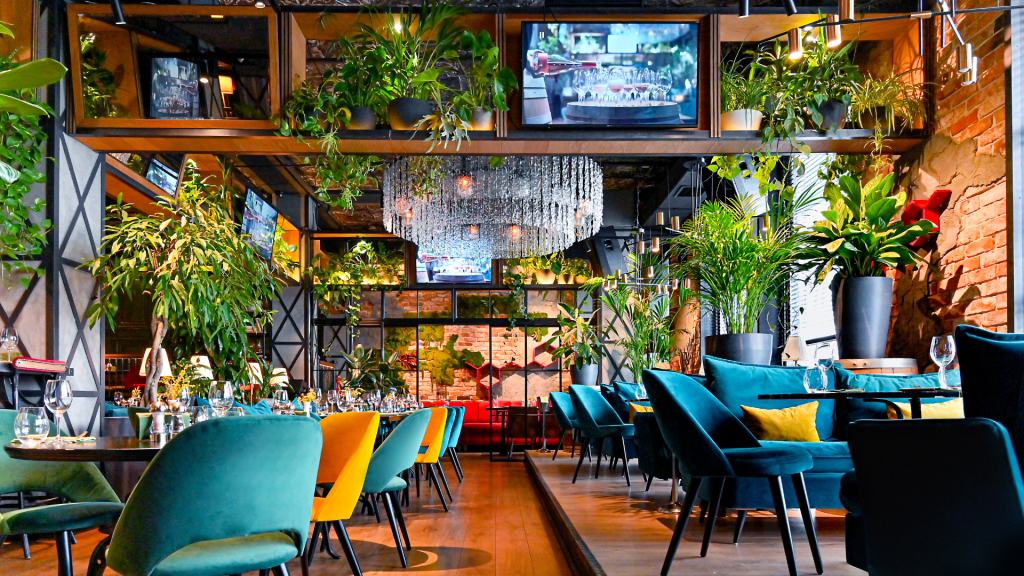
Key Factors for Choosing the Colors of Your Restaurant with Wing Sauce.
1. Brand Identity
Your brand identity should be the primary reference point when selecting colors. If your restaurant is modern and minimalist, you might want to use neutral tones with bright accents. On the other hand, if you offer homemade food, warm tones like browns, reds, and oranges may be more suitable for wing sauce.
2. Type of Cuisine You Offer
- Fast-food restaurants: Red and yellow are common, as they stimulate appetite and create a sense of urgency.
- Healthy food restaurants: Green and white symbolize freshness and cleanliness.
Cafés: Brown and beige tones evoke warmth and comfort.
3. Size of the Space
Colors can change the perception of space. Light tones make a small place feel larger, while dark tones create a more intimate and cozy atmosphere.
4. Target Audience
Your target audience should also influence your color choices. For example, bright and energetic colors can attract a younger audience, while soft and elegant tones are ideal for a more sophisticated clientele.
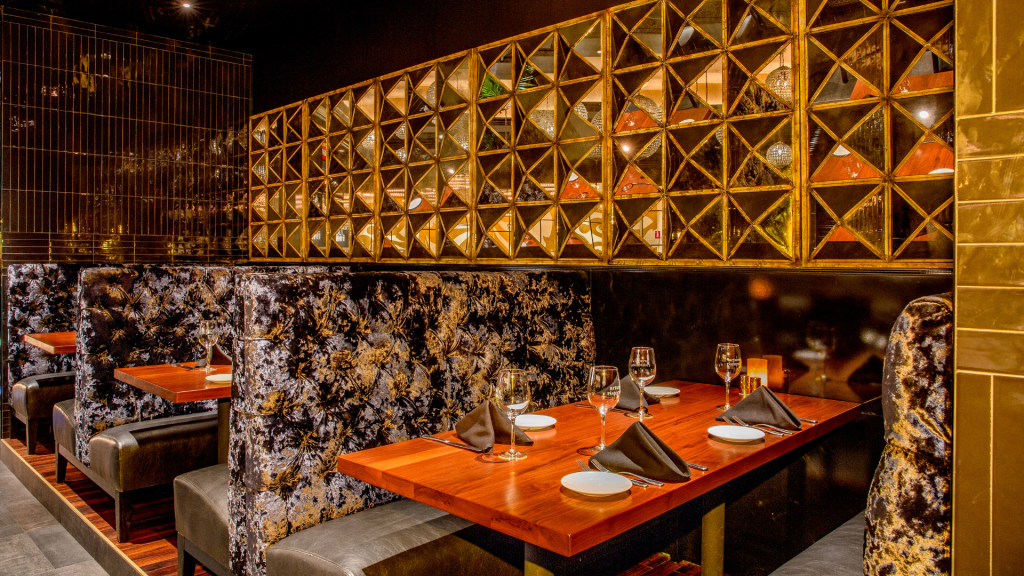
Examples of Successful Color Combinations for Wing Sauce Restaurants.
| Type of Restaurant | Main Colors | Emotion/Impact | Example of Use |
|---|---|---|---|
| Fast-Food Restaurant | Red, Yellow | Energy, Urgency | Tables and walls with vibrant tones |
| Healthy Food Restaurant | Green, White, Natural Wood | Freshness, Well-being | Decor with plants and light tones |
| Luxury Restaurant | Black, Gold, Purple | Elegance, Exclusivity | Sophisticated tableware and furniture |
| Family Restaurant | Orange, Red, Yellow | Warmth, Fun | Children’s areas with bright colors |
| Café | Brown, Beige, Olive Green | Comfort, Calm | Wooden furniture and warm tones |
| Minimalist/Modern Restaurant | White, Gray, Black Accents | Simplicity, Modernity | Spacious and uncluttered spaces |
| Themed (Ethnic) Restaurant | Bright colors based on culture | Authenticity, Cultural Identity | Decoration inspired by traditions |
FAQ on Colors in Restaurants and Wing Sauce
What are the best colors for a small restaurant?
Light colors such as white, beige, or pastel shades are ideal for making a small space appear larger and more inviting. You can also add vibrant color accents to bring energy without overwhelming the space.
How do colors affect customer behavior?
Colors influence people’s moods and decisions. For example, red and yellow can increase appetite and speed up the time customers spend in the restaurant, while green and blue create a sense of calm and comfort.
Is it advisable to use more than three colors in the décor?
Yes, but balance is key. A common rule is to use one dominant color, one secondary color, and one accent color to avoid making the space look overwhelming.
What colors should I avoid in a restaurant?
Dark gray or cold blue in excess can reduce appetite and make the environment feel less welcoming. However, it all depends on the context and how they are combined with other decorative elements.
Light colors such as white, beige, or pastel shades are ideal for making a small space appear larger and more inviting. You can also add vibrant color accents to bring energy without overwhelming the space.
Colors influence people’s moods and decisions. For example, red and yellow can increase appetite and speed up the time customers spend in the restaurant, while green and blue create a sense of calm and comfort.
Yes, but balance is key. A common rule is to use one dominant color, one secondary color, and one accent color to avoid making the space look overwhelming.
Dark gray or cold blue in excess can reduce appetite and make the environment feel less welcoming. However, it all depends on the context and how they are combined with other decorative elements.