
A lot of cooks land on the same problem. Buffalo sells, but not everyone wants heat. One table wants bold flavor without fire. One customer wants a low-carb option. One operator needs a sauce that tastes rich, coats evenly, and won’t fall apart during a rush.
That’s where wing sauce parmesan garlic earns its place. It sits in the sweet spot between comfort food and menu strategy. Home cooks get a crowd-pleasing finish that feels restaurant-level. Restaurants get one of those rare Wing Sauces that can move across wings, fries, sandwiches, flatbreads, and vegetables without feeling like a filler item.
For operators in California, Arizona, and Texas, that matters. Diverse palates demand more than heat alone. If you want a list of flavors that pull their weight, start with a sharp Buffalo, a dependable BBQ, and a garlic parmesan that’s creamy, savory, and stable. That’s part of what separates average menus from the Best Wing Sauces programs.
Why Parmesan Garlic Sauce Is a Menu Must-Have
A sports bar in Texas doesn’t lose wing sales because people stop liking wings. It loses wing sales when the flavor board gets too narrow. If the menu leans only on Buffalo Wing Sauces, a big chunk of the table has no easy yes. Kids avoid the heat. Some adults want flavor without capsaicin. Some customers want something richer.
That’s why garlic parmesan became a modern staple. It’s familiar, but it doesn’t eat boring. Garlic gives aroma. Parmesan brings salinity and depth. The fat in the base softens the edges and makes the sauce feel substantial. For a lot of guests, it’s the safe choice that still feels indulgent.

Why it works across markets
California menus often need flexibility. Arizona kitchens often need speed and consistency. Texas operators often need broad appeal for groups ordering mixed baskets. Parmesan garlic fits all three because it bridges comfort and utility.
It also fills a real content and product gap. Existing content on garlic parmesan wing sauce often skips nutrition detail, even though recipes can range from 800 to 1500 calories per batch, and many commercial products still don’t give operators the allergen and nutrition clarity they need. At the same time, global searches for low or no sugar condiments are up 28% YoY, and 40% of US wing consumers prefer sauces under 5g of sugar per serving, according to this Kroger product research context.
A non-spicy sauce only works when it’s built with as much intention as the hot flavors. Otherwise it becomes the “for people who don’t know what they want” option.
What smart operators look for
When I evaluate a parmesan garlic profile for real service, I’m not asking whether it tastes good on one hot wing straight out of the bowl. I’m asking whether it still tastes balanced after holding, whether it coats crisp skin without turning gummy, and whether the flavor holds up beside stronger menu items.
A useful benchmark is simple:
- Broad appeal: It should satisfy guests who don’t want heat, but it still needs enough garlic and cheese character to stand next to stronger flavors.
- Menu versatility: It should work as a wing sauce, dip, drizzle, and finishing sauce.
- Operational clarity: The formula should be easy to portion, easy to describe, and easy to repeat.
If you’re reviewing your flavor lineup, a good place to compare categories is this guide to best wing sauce options for different menus. Parmesan garlic belongs in that conversation for one reason. It converts hesitant customers into easy orders.
That’s also why it deserves a place among the best wings sauces in California, the best wings sauces in Texas, and any serious list of best wings sauces built for real kitchens, not just recipe roundups.
The Flavor Anatomy of a Perfect Garlic Parmesan Sauce
The difference between a forgettable garlic parmesan and a memorable one isn’t just “more cheese” or “more garlic.” It’s structure. The sauce needs depth, aroma, and cling. If one of those is missing, the whole thing feels flat or greasy.

The cheese has to do more than taste cheesy
Parmesan brings more than dairy flavor. It gives a nutty, aged, umami backbone that makes the sauce feel complete. Cheap cheese powders can make a sauce taste loud but thin. Finely grated real Parmesan gives a more integrated finish, especially when you want the sauce to cling instead of sitting in wet streaks.
This matters for what some guests think of as Cheese and Garlic Dressing. If the cheese dominates, the sauce gets salty and pasty. If it disappears, the sauce tastes like buttery garlic with a garnish problem.
Garlic should be aromatic, not harsh
Garlic can carry the whole profile or wreck it. Raw garlic punches. Burned garlic turns bitter fast. Garlic powder gives control and consistency, especially when you need repeatable results in a busy kitchen. That’s one reason many professional formulas lean on it, either alone or alongside fresh garlic.
When cooks want deeper pan flavor in related applications, such as garlic butter finishes for tenders or skillet proteins, learning how to deglaze a pan for maximum flavor is useful because it shows how to pull savory browned notes into the sauce instead of leaving them behind in the pan.
The base controls cling and mouthfeel
A parmesan garlic sauce lives or dies on emulsion. Too much butter with no structure and it breaks. Too much mayo and it gets heavy. Too much cream and it starts tasting like pasta sauce instead of wing sauce.
What works is a base that lets the garlic bloom and gives the cheese somewhere to disperse. That’s why professionals think in texture first. A sauce should coat the wing in a thin, glossy layer. It shouldn’t pool at the bottom of the bowl.
Practical rule: If the sauce tastes right on a spoon but slides off a wing, the formula isn’t finished.
A related part of the craft is seasoning. Parmesan already carries salt. Garlic reads stronger as the sauce cools slightly. Herbs should support, not clutter. Oregano or parsley can help, but too much dried herb makes the finish dusty.
A lot of cooks sharpen this understanding by studying seasoning systems, not just single recipes. This guide to gourmet seasoning blends for layered flavor is useful because it helps you think about how garlic, dairy, and herb notes stack instead of compete.
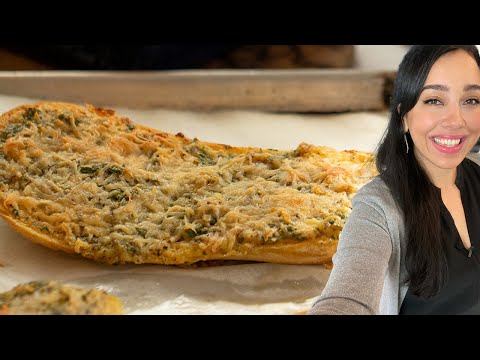
For a visual walkthrough of a garlic parmesan wing style in action, this clip is worth a look:
A quick test for balance
Use this simple tasting sequence before service:
- Taste warm: Check if the butter is swallowing the garlic.
- Taste after a short rest: Parmesan and garlic settle differently as the sauce cools.
- Taste on crisp skin: Some sauces taste balanced alone and overly salty on an actual wing.
That’s the anatomy of a strong garlic parmesan. Not just cheese plus garlic, but the right relationship between aged savoriness, aromatic lift, and controlled richness.
The Ultimate Garlic Parmesan Wing Sauce Recipe
Friday at 7:15 p.m., the tickets stack up, wings are coming out hot, and garlic parmesan suddenly turns into the sauce that exposes every weakness in a kitchen. Home recipes often fall apart at that point. The butter runs greasy, the cheese clumps, and two cooks make two different versions from the same spec. A workable formula has to do more than taste good off the spoon. It has to coat crisp wings fast, hold together through service, and scale without drifting.
That is the gap between a home recipe and a sauce you can successfully run in a restaurant in California, Arizona, or Texas. California operators usually want a cleaner dairy finish and less heaviness. Arizona kitchens need a sauce that stays stable in hotter conditions. Texas menus often benefit from a fuller butter and cheese profile that can sit beside smoke, heat, and larger-format comfort food.
Core home and small-batch recipe
Use this base for wings, tenders, cauliflower, or chicken sandwiches. It is simple enough for a home cook and disciplined enough to become a line recipe.
For the sauce
- Unsalted butter: 1/2 cup
- Garlic powder: 1 teaspoon
- Granulated garlic or finely grated fresh garlic: 1/2 to 1 teaspoon, depending on how sharp you want the finish
- Dried oregano: 1/4 teaspoon
- Finely grated Parmesan: 3/4 cup
- Black pepper: 1/4 teaspoon
- Kosher salt: to taste, usually little or none
For the wings
- Chicken wings: 1.5 pounds
- Kosher salt: light seasoning before cooking
Method that stays smooth
- Cook the wings until the exterior is crisp. Dry skin matters more than any sauce adjustment later.
- Melt the butter over low heat. Keep it gentle so the milk solids do not brown unless that nuttier note is intentional.
- Add the garlic and oregano. Stir just until aromatic. If using fresh garlic, cook briefly and do not let it color.
- Turn the heat down or pull the pan off the burner. Parmesan goes into warm fat more cleanly than actively bubbling butter.
- Add Parmesan in stages. Stir constantly so the cheese disperses instead of gathering into strings or pebbles.
- Season with black pepper and taste before salting. Parmesan already brings salinity.
- Toss the wings right away. Hot wings and warm sauce bond better than either one sitting around.
One detail matters more than cooks expect. Grate the Parmesan fine. Pre-shredded cheese saves a few minutes, but anti-caking powders make the sauce grainier and less stable. In a restaurant, that trade-off usually costs more in remakes than it saves in prep.
A published wing method from Fifteen Spatulas notes a gentle butter temperature range, a quick thickening window for a cooked variation, and a faster no-cook assembly path for simpler builds, all of which support the same operating principle. Control the heat and add the cheese late in the process in this garlic parmesan wing method reference.
Why this formula works in real kitchens
Butter carries the garlic. Parmesan supplies salt, body, and umami. The mistake is pushing both too far at once. Extra butter makes the sauce loose and shiny in the wrong way. Extra cheese makes it pasty and heavy, especially once it hits a cooler wing or sits in a metal bowl on the line.
I usually set the target at a sauce that leaves a visible cheese film on the wing without burying the crust. That matters for both cost and texture. If the coating is too thick, wing yield drops, bowls get gummy, and guests end up with a rich first bite followed by a flat finish.
Fast no-cook variation for trucks and rush periods
A no-cook version works well if speed matters more than layered garlic flavor. Start with softened butter, whisk in garlic powder, oregano, pepper, and finely grated Parmesan, then loosen slightly as needed with a small spoonful of hot wing carryover or reserved warm fat from the batch. Toss immediately.
Use this route when:
- Your service window is tight
- Your setup has limited burner space
- Your staff needs a repeatable assembly method with fewer failure points
This approach is especially practical for food trucks, snack bars, and pop-ups. It also fits home cooks who want a fast game-day batch without another pan to wash.
When to use a roux-based version
A roux-based garlic parmesan has a different job. It is better for fries, bowls, pasta-style applications, and sandwiches where the sauce needs more body and longer hold time. Whisk flour into the butter, add broth, simmer until smooth, then fold in the Parmesan off the stronger heat.
For classic wings, I use that style carefully. It can soften crisp skin fast if the cook lays it on too heavily. For loaded fries or roasted vegetables, though, the thicker build gives better coverage and cleaner portion control.
Restaurant operators also need to treat this as a dairy sauce, not just a flavor add-on. Hot holding, cooling, and reheat habits affect safety and texture. If your team needs a tighter refresher on handling butter, cheese, and cooked sauces during service, use this guide to master food safety in your restaurant.
For more practical builds that start with chicken and finish clean on the plate, this roundup of easy sauce recipes for chicken gives useful variations without losing sight of execution.
Scaling Your Sauce for Restaurant and Foodservice Success
Friday dinner rush is where a home-style garlic parmesan recipe usually gets exposed. The first batch tastes right. By the second hour, one pan has separated, another has turned pasty, and two cooks are portioning it two different ways. A sauce that feels easy at home needs tighter controls once it hits a line.
Scaling starts with process. Ingredient ratios matter, but handling matters more. Heat level, mix order, hold time, and portion tools decide whether your fiftieth order tastes like your fifth.
Prepared foodservice sauces exist for that reason. Sweet Baby Ray’s notes that its half-gallon garlic parmesan wing sauce yields about 128 servings per container, and the same product information lists 40 calories, 4g total fat, 220mg sodium, and 1g total carbohydrates per serving. For operators managing wing volume, especially during high-demand sports periods, those details help with menu labeling, portion costing, and station consistency, according to Sweet Baby Ray’s foodservice product information.
Make versus buy in a real kitchen
Scratch sauce gives you more control over flavor and finish. You can adjust garlic punch, choose a finer or sharper Parmesan, and tune richness for your market. In California, that often means a cleaner, less greasy profile. In Arizona, I would build for hotter back-of-house conditions and shorter safe hold windows. In Texas, a heavier butter-cheese note can make sense because it has to stand next to smoke, heat, and bolder dry rubs.
Prepared sauce gives you labor relief and tighter consistency. It also gives purchasing teams predictable yield and known nutrition specs, which matters if you are comparing a scratch build against a ready-to-use option or against Mr. Wings garlic-forward, cheese-led flavor profiles.
The right answer depends on your operation. If you have trained prep staff, stable volumes, and room to batch fresh twice a day, scratch can work well. If you run multiple dayparts, depend on less experienced line cooks, or need exact costing across locations, buying can protect margin better than an inconsistent in-house recipe.
Garlic Parmesan Sauce Scaling Guide
| Ingredient | 5 lbs Wings (approx. 40 wings) | 25 lbs Wings (approx. 200 wings) | 50 lbs Wings (approx. 400 wings) |
|---|---|---|---|
| Unsalted butter | 1 to 2 cups | 5 to 10 cups | 10 to 20 cups |
| Garlic powder | 3 1/3 tsp | 16 2/3 tsp | 33 1/3 tsp |
| Dried oregano | 1 2/3 tsp | 8 1/3 tsp | 16 2/3 tsp |
| Grated Parmesan | 3 1/3 to 6 2/3 cups | 16 2/3 to 33 1/3 cups | 33 1/3 to 66 2/3 cups |
| Kosher salt | 1 2/3 tsp | 8 1/3 tsp | 16 2/3 tsp |
Use this table as a test batch framework, not a final production spec. At 5 pounds, a small texture problem is manageable. At 50 pounds, the same mistake can wipe out a service window.
Here is what I watch first in any kitchen trial. Melt the butter gently. Add dry seasonings before the cheese so they hydrate evenly in the fat. Fold in Parmesan off aggressive heat, then test cling on actual hot wings, not in the pot. Finally, lock in a portion standard with a ladle, spoodle, or squeeze bottle and train every cook to use the same tool.
Where large batches usually fail
- Cheese hits fat that is too hot: the sauce turns grainy and the solids clump.
- The batch sits too long: garlic loses freshness, butter separates, and the finish gets greasy.
- No portion tool is assigned: food cost drifts and basket-to-basket coverage changes.
- Wings are sauced too early: carryover steam softens the skin before the guest gets the plate.
If the flavor is right in prep but wrong on the pass, the recipe is rarely the main problem. The station setup is.
Food safety gets tighter as volume grows. Dairy-heavy sauces need disciplined cooling, reheating, clean containers, and clear discard rules. Operators who want a better SOP can use this guide to master food safety in your restaurant.
Garlic parmesan also works best when it has a defined role on the board. It covers guests who want richness without heat, and it balances a menu built around hotter flavors. If you are setting sauce tiers for a sports bar, ghost kitchen, or wing chain, this breakdown of hot chicken wing sauce styles and use cases helps you position savory sauces against your spicy offerings without overcrowding the menu.
Creative Menu Ideas Beyond the Wing
Most operators underuse garlic parmesan because they think of it only as a wing finish. That leaves money on the table. A strong sauce should function as a flavor platform. If it can only do one job, it’s too narrow for a modern menu.
Fusion makes that even more relevant. The market appetite for fusion wing flavors saw a 22% surge in 2025, Korean-gochujang parmesan gained viral attention, Indian-garam-masala garlic parm saw a 35% menu incidence increase in the UK and US, and 62% of operators report sauce clumping in high-volume service, according to Graza’s garlic parm trend roundup. The opportunity is real, but the execution has to be tighter than what most home-style recipes prepare you for.

High-margin uses that make sense
A garlic parmesan profile works best on foods that benefit from fat, salt, and aromatic lift. That includes a lot more than wings.
- Loaded fries: Use a slightly thicker build so the sauce clings instead of sinking. Finish with parsley and a dry dusting of grated cheese after the sauce.
- Chicken sandwiches: Spread it on the bun, then use a lighter wing-style coating on the chicken. That creates flavor in layers without making the sandwich slippery.
- Flatbreads and white pies: Use it as a drizzle after baking or as part of the base under mozzarella.
- Roasted vegetables: Toss Brussels sprouts, cauliflower, or potatoes while hot so the sauce catches on rough surfaces.
- Bowls and wraps: A thinner version works as a finishing drizzle over rice, grilled chicken, and charred vegetables.
Good fusion starts with restraint
A lot of fusion failures come from stacking loud ingredients without changing the sauce architecture. If you add gochujang to a rich garlic parmesan without adjusting salt and texture, the result can feel muddy. The same goes for garam masala. Both ideas can work, but they need a cleaner supporting structure.
Use this approach:
- Start with the garlic parmesan base.
- Add one fusion driver, not three.
- Re-test cling and salinity before service.
- Keep the garnish simple so the fusion note reads clearly.
This is how operators can build some of the best wings sauces in Texas or the best wings sauces in California. Not by making the menu longer, but by making one strong base work harder across categories and regional tastes.
Where home cooks can borrow from restaurants
Home cooks usually think in recipes. Restaurants think in systems. That’s a useful mindset shift. If you make one batch of garlic parmesan, don’t stop at wings. Plan a second use while the sauce is fresh.
A profitable sauce is one you can repurpose without making the menu feel repetitive.
That could mean wings on Friday, garlic parmesan fries on Saturday, and roasted vegetables with grilled chicken on Sunday. In a restaurant, it could mean using the same base across appetizers, sandwiches, and bowls with small format changes. That’s how a single flavor starts acting like one of your Best Wing Sauces, not just one more bottle in the walk-in.
Smart Buying and Storage for Lasting Quality
Buying or making garlic parmesan comes down to one question. What problem are you trying to solve. If you want customization and fresh-made character, scratch makes sense. If you want label clarity, labor savings, and predictable performance, prepared sauce often wins.
The weak point in this category has been transparency. Many recipes and retail products don’t give enough useful detail on nutrition, allergens, or ingredient function. That matters more with garlic parmesan than with simpler Buffalo Wing Sauces because dairy, egg, oils, and stabilizers can all affect who can eat it and how it behaves in service.
What to look for on the label
Read beyond the front panel. “Parmesan garlic” can mean very different things depending on the formula.
Check for:
- Real cheese ingredients: Parmesan cheese should read like cheese, not just flavoring.
- Emulsifiers or stabilizers: These aren’t automatically bad. They can be what keeps a sauce usable in real service.
- Sugar level and carb profile: Important for customers who are watching sugar or following lower-carb eating patterns.
- Allergen clarity: Dairy, soy, and egg need to be easy to identify.
A useful benchmark in foodservice is the half-gallon garlic parmesan format with 128 servings per container, 0g total sugars, and a low-carb profile, as covered earlier from the Sweet Baby Ray’s product data. Whether you buy that specific product or compare against it, those are the kinds of details smart buyers should want.
Homemade storage that respects the sauce
Scratch sauce needs careful handling because fat and cheese don’t improve through neglect. Refrigeration helps, but cold storage tightens the texture. When reheating, use low heat and stir patiently. High heat will usually break the emulsion faster than it restores it.
For kitchens using homemade sauce:
- Cool fast: Don’t leave dairy-based sauces sitting out.
- Store in workable portions: Smaller deli containers reheat more evenly than one large tub.
- Rewarm gently: Use low heat and stir often.
- Refresh only if needed: A small amount of warm liquid can loosen a tight sauce better than blasting it with more heat.
When buying is the better call
Prepared sauce becomes the smarter choice when consistency matters more than chef customization. That’s especially true for multi-shift operations, newer food businesses, and Amazon shoppers who want dependable results without rebuilding a formula every time.
If you’re comparing packaged options for home or commercial use, this guide to best store bought chicken wing sauce choices can help frame the decision. For many kitchens, the right answer isn’t ideological. It’s practical. Buy when the label is clear and the sauce performs. Make it when your team has the time and control to do it well.
Making Parmesan Garlic Your Unforgettable Signature Flavor
Parmesan garlic works because it solves more than one problem at once. It gives non-spicy guests a real destination flavor. It gives cooks a sauce with enough depth to feel satisfying. It gives operators a format that can stretch across wings, fries, sandwiches, bowls, and vegetables without losing its identity.
Craft is primarily about execution. Keep the heat controlled. Build the emulsion with intent. Don’t let the cheese fight the fat. If you scale it, standardize the process instead of trusting memory. If you buy it, demand clear labels and functional texture, not just a good first taste.
That’s how wing sauce parmesan garlic moves from “safe option” to signature item. For a home cook, that means cleaner, richer game-day wings. For a restaurant in California, Arizona, or Texas, it means one of the best wings sauces to anchor a broader flavor lineup alongside classic Buffalo Wing Sauces and other core Wing Sauces.
If you want to build a stronger sauce lineup for home cooking or foodservice, explore Mr. Wings for wing sauces, BBQ sauces, dressings, and seasonings designed for practical kitchen use across wings, tenders, burgers, bowls, and more.