
A lot of cooks hit the same wall with wings. The chicken comes out right, the texture is solid, and then the sauce lands flat. It tastes sharp but not balanced, sweet but not interesting, or hot in a way that bulldozes everything else.
Restaurant operators run into a tougher version of the same problem. A bottled sauce may save labor, but it can make the menu feel generic. A house sauce may taste great on day one, then break, scorch, or drift in flavor once the batch gets larger and the line gets busy.
The difference between forgettable wings and repeat-order wings usually sits in the sauce pan, not the fryer. Good wing sauce is not just heat. It is cling, balance, finish, and consistency. That is true whether you are building a game-day platter at home or trying to lock down the best wings sauces in California, the best wings sauces in Texas, and a menu that can stand out in Arizona too.
Beyond Bottled Flavor A Guide to Unforgettable Wing Sauces
A bar owner with a stagnant appetizer menu usually says the same thing. “Our wings sell, but nobody talks about them.” A home cook says a version of that too. “The wings were fine, but the sauce tasted like every other bottle on the shelf.”
This issue demonstrates how wings can move volume and still fail to build loyalty.
What separates memorable Wing Sauces
A strong wing sauce does four jobs at once:
- Builds an identity: Guests remember a flavor profile before they remember your fryer settings.
- Carries texture: Sauce has to coat the wing instead of sliding off.
- Balances heat: Spice without acid, sweetness, or fat gets old fast.
- Repeats cleanly: A good batch on Saturday has to taste like the one from Wednesday.
That is why the Best Wing Sauces are never just “hot.” The good ones have structure. The heat arrives in layers. The sweetness has a purpose. The acid keeps the finish awake.
A signature sauce is a menu position, not just a condiment.
For cooks in California, Arizona, and Texas, that matters even more. Diners in those markets tend to expect bolder flavors, cleaner heat, and sauces with a point of view. If your Buffalo Wing Sauces and BBQ variants taste interchangeable with supermarket options, you lose the easiest chance to make wings feel like your wings.
Start with better references
If you are stuck in a loop of repeating the same bland formulas, study more than one style before you cook again. A good place to explore more unique wing sauce recipes is a broader recipe resource that helps spark combinations beyond standard Buffalo and sweet BBQ.
For a practical benchmark on bottled options versus scratch-made approaches, this breakdown of the Best store bought chicken wing sauce blog is useful because it clarifies what convenience gives you and what it often cannot.
The best path is rarely extreme. Not every kitchen should make every sauce from scratch. Not every bottle deserves a spot in service. Smart cooks learn what to build in-house, what to simplify, and what absolutely cannot be faked.
Mastering the Classic Buffalo Wing Sauce
Every serious discussion about spicy chicken wing sauce recipes starts here. Buffalo is the reference point. If you cannot make a clean, balanced Buffalo, the rest of your sauce list usually turns into noise.
The classic Buffalo wing sauce recipe originated in 1964 at Anchor Bar, where wings were tossed in 2/3 cup Frank’s Original Hot Sauce, 1 tablespoon butter, and 1 tablespoon molasses. Frank’s RedHot sits at 450 Scoville Heat Units and appears in over 75% of commercial Buffalo wing recipes today, which is why it remains the standard base for this style (carlsbadcravings.com).

Why the classic formula still works
Buffalo sauce is simple, but it is not random.
Hot sauce gives you vinegar, chile, salt, and that familiar tang.
Butter rounds off the edge and helps the sauce feel fuller on the tongue.
Molasses adds depth. Not much. Just enough to stop the finish from tasting thin.
A common mistake with chicken hot wing sauce is trying to improve Buffalo by adding too many extras. Heavy garlic powder, too much honey, smoked paprika, liquid smoke, and extra sugar can all push the sauce away from Buffalo and into something muddled.
A practical Buffalo wing sauce recipe
Use this when you want a clean house Buffalo that still respects the original.
Ingredients
- Frank’s Original Hot Sauce: 2/3 cup
- Butter: 1 tablespoon
- Molasses: 1 tablespoon
Optional for a fuller restaurant-style finish:
- Garlic: a small amount, finely grated or very lightly cooked
- Extra butter: if you want a richer toss for thicker-coated wings
Method
- Warm the hot sauce gently in a saucepan over low heat.
- Add the butter and whisk until fully melted.
- Stir in the molasses until dissolved.
- Hold the sauce warm, not boiling.
- Toss with hot wings just before serving so the coating stays glossy.
That is it. For a classic sauce hot wings finish, restraint matters more than complexity.
What works and what does not
Here is the blunt version from a kitchen perspective.
| Practice | Result |
|---|---|
| Gentle heat | Smooth, glossy sauce |
| Tossing wings while both sauce and wings are hot | Better cling |
| Small amount of sweetness | Better balance |
| Boiling hard | Harsh flavor and greasy texture |
| Adding cold butter into very hot sauce | Uneven finish |
| Over-seasoning | Buffalo flavor disappears |
How to tune Buffalo without ruining it
There is room to move, but each change should have a reason.
- For sharper tang: add a small splash of vinegar, then stop.
- For a rounder finish: increase butter carefully.
- For more body: use a touch more molasses, but keep it subtle.
- For more heat: add cayenne or a hotter hot sauce in small increments.
Buffalo should taste direct and bright. If the first thing you notice is sugar, smoke, or garlic, you are not making Buffalo anymore.
Some kitchens want a richer benchmark before moving into specialty sauces. If you want another take focused on flavor profile and style selection, this guide to the Best buffalo sauce for wings blog is worth reviewing.
Best use cases for classic Buffalo
Classic Buffalo remains one of the most versatile Wing Sauces because it works across service styles.
- Sports bars: pairs well with ranch or blue cheese and holds broad appeal
- Fast casual menus: easy to position as a base flavor with heat upgrades
- Home game days: fast to make, low ingredient count, predictable result
- Mix-and-match platters: anchors sweeter or smokier options on the same tray
If your wing program needs a foundation, start here. The cooks who make the best wings sauces usually build from a disciplined classic, not from novelty.
Four Spicy Chicken Wing Sauce Recipes to Wow Your Guests
Once the Buffalo base is locked in, you can branch out with confidence. The goal is not to make random hot sauces. The goal is to build a lineup where each sauce has a clear job on the menu.
Some guests want bright heat. Some want smoke. Some want sweet-then-hot. A strong sauce list covers those lanes without making every option taste like the same base with a different label.

Wing Sauce Profile Comparison
| Sauce Name | Heat Level (1-5) | Primary Flavor | Best For |
|---|---|---|---|
| Classic Buffalo | 3 | Tangy, buttery, sharp | Broad crowd appeal |
| Sweet and Smoky Chipotle BBQ | 3 | Smoky, sweet, earthy | Texas-style menus, grilled wings |
| Tropical Fire Mango Habanero | 4 | Fruity, bright, fiery | California-style flavor menus |
| Bold and Tangy Habanero BBQ | 4 | Tangy, deep, assertive | Operators wanting a standout signature sauce |
Sweet and Smoky Chipotle BBQ
This is the sauce I recommend when a menu needs a bridge between classic BBQ and hot wings. It works for guests who want flavor first and heat second.
A reliable ketchup-based spicy BBQ method uses 1 cup ketchup, 1/4 cup hot sauce, and 1/4 cup brown sugar, simmered at 190 to 210°F for 15 to 20 minutes. That reduction cuts viscosity by 40 to 50% so the sauce clings better, and adding vinegar first helps prevent sugar crystallization, a problem seen in 20% of attempts (extremecouponingmom.ca).
Ingredients
- Ketchup: 1 cup
- Hot sauce: 1/4 cup
- Brown sugar: 1/4 cup
- Mustard: 2 teaspoons
- White vinegar: 2 teaspoons
- Celery powder: 1/2 teaspoon
- Garlic powder: 1/2 teaspoon
- Onion powder: 1/2 teaspoon
- Chipotle hot sauce or chipotle in adobo: enough to push the sauce toward smoke and earth, added gradually
Method
Start cold. Mix everything in the pan before heat touches it. Add the vinegar early. That keeps the sugar from turning gritty.
Bring it to a simmer and reduce until the sauce looks heavier and leaves a visible trail on the spoon. Cool it slightly before tossing. If you sauce wings while this glaze is too hot, it can soften the crust.
Best use
This is one of the best wings sauces in Texas because it plays well with grilled wings, smoked wings, and thicker-cut fries. It also handles a side of ranch without becoming flat.
Tropical Fire Mango Habanero
This one sells on contrast. Sweet fruit on the front, pointed heat on the back. When done badly, it tastes like candy with pepper burn. When done right, it tastes bright and alive.
Ingredients
- Mango puree
- Habanero peppers
- Lime juice
- Hot sauce
- Butter or neutral fat for body
- Salt
- A small amount of sweetener if the mango is dull
Method
Blend the mango first so the fruit is smooth before heat goes in. Then add habanero gradually. Do not dump all the pepper in at once. Habanero has a fruity aroma of its own, and you want that to stay noticeable instead of burying it under too much acid or sugar.
Cook gently until the raw pepper edge softens. Finish with lime juice late so the citrus stays bright.
Best use
This lands especially well for menus chasing the best wings sauces in California because it fits fresh, fruit-driven flavor preferences and pairs naturally with cilantro, pickled onions, or a cooling dip. For a closer look at the flavor logic behind this style, see this blog about What is mango habanero sauce.
Fruity hot sauces fail when cooks chase sweetness instead of contrast. Keep the fruit vivid, the acid clean, and the heat controlled.
Bold and Tangy Habanero BBQ
This is not the same as mango habanero with ketchup added. It should taste darker, punchier, and more savory.
Build it this way
Begin with a BBQ structure, then use habanero for lift rather than chaos. A little sweetness helps, but the sauce should lean tangy and bold, not sticky and dessert-like.
Use:
- Ketchup for body
- Hot sauce for base heat
- Vinegar for edge
- Brown sugar sparingly
- Habanero for aroma and attack
- Garlic and onion powders for savory weight
Reduce until it thickens enough to hold to the wing without dripping onto the tray. If the sauce tastes aggressive in the pan, give it a minute off the heat before adjusting. Habanero often reads differently after a short rest.
Best use
This works for operators who want a signature chicken hot wing sauce that feels serious. It is strong on party platters, strong on boneless, and strong in combo baskets where a sweeter sauce might disappear.
A versatile hot sauce recipe base
Every kitchen should keep one flexible base sauce that can move in different directions. That is how you speed up service and your lineup focused.
Base formula
- Hot sauce
- Butter
- A measured sweet element
- A savory layer such as garlic
- Optional pepper booster
If you want a sticky profile, push the sweet element. If you want a cleaner Buffalo-adjacent profile, keep sweetness low and let acid lead. If you want a sharper finish for fried wings, hold the sauce looser so it coats without becoming gummy.
Why this matters
The best hot sauce recipe is often not a final sauce. It is a mother sauce. It becomes Buffalo, garlic hot, honey hot, chipotle hot, or a table glaze depending on the shift and the menu need.
Choosing the right sauce for the right setting
A home cook can choose by craving. A restaurant should choose by function.
- Classic Buffalo: best for volume and broad familiarity
- Chipotle BBQ: best for menus with smoke, grill, or Texas influence
- Mango Habanero: best for bright, modern flavor lineups
- Habanero BBQ: best for a memorable signature option
That is how you build practical variety. Not by chasing every trend, but by giving each wing sauce a reason to exist.
Essential Techniques for Perfect Wing Sauces Every Time
Recipes matter. Technique matters more. The cooks who consistently make strong Wing Sauces usually control three things well: emulsion, viscosity, and timing.

Control the emulsion
Professional Buffalo-style sauce stays stable when the butter-to-hot-sauce ratio is 1:6. A tested method is to melt butter at 140 to 160°F, briefly infuse garlic, then whisk in hot sauce. Going above 200°F raises the emulsion failure rate to 40%, which is why broken wing sauce turns oily so quickly (springermountainfarms.com).
That number matters in real kitchens because a broken sauce does two bad things at once. It looks greasy in the bowl and it coats unevenly on the wing.
Practical rule
Warm first. Whisk second. Simmer gently. Never blast a butter-based chicken hot wing sauce over high heat and expect it to stay smooth.
Build viscosity on purpose
Thin sauce runs off. Thick sauce pastes onto the crust and can make fried wings feel heavy.
There are two main ways to get the texture right.
- Reduction: best for BBQ, fruit-based, and ketchup-based sauces
- Slurry or starch assist: useful when you need cling without prolonged cooking
For dry heat styles like chipotle or chile blends, reduction usually gives the cleanest finish. For sauces with fruit or sugar, a small thickening assist can help if you do not want to cook the bright notes out.
Sauce should coat the wing in a light, even film. If it sits in thick blobs, you reduced too far.
Balance the flavor before you chase heat
Most failed spicy sauces are not too mild. They are unbalanced.
Use this quick check:
| If the sauce tastes | Add or adjust |
|---|---|
| Flat | Acid |
| Harsh | Fat or sweetness |
| Too sweet | Acid or heat |
| Too sharp | Butter or body |
| Muddy | Reduce ingredients, not just salt |
A lot of cooks keep adding ingredients when the sauce tastes off. That usually makes the problem worse. Strip it back. Decide what is missing. Then fix only that.
For deeper chile flavor decisions, especially when using smoky peppers, understanding heat perception helps. This reference on Chipotle pepper scoville scale guide is useful when you want smoke and heat without building a sauce that overwhelms the wing.
Turning dry rub ideas into sauce
Many sauces collapse when attempting this transition. A dry rub tastes focused on a hot wing fresh out of the fryer. The same spice blend dumped into a liquid can taste dusty or bitter.
To convert a rub into a sauce:
- Bloom the spices gently in fat or warm liquid.
- Add acid early if sugar is involved.
- Taste after a short rest, not only straight from the pan.
- Strain if needed for a smoother toss on wings.
A Cajun-style rub, lemon pepper blend, or smoky chile mix can all become a proper wing sauce if the texture is adjusted and the spice is hydrated.
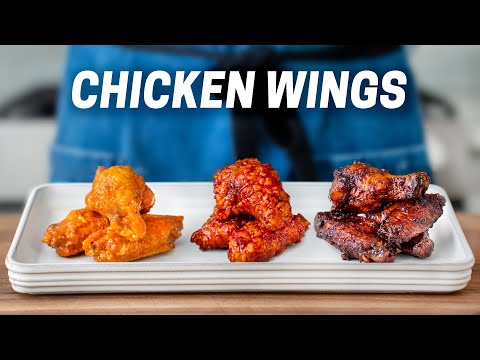
A helpful visual reminder sits below.
Timing the toss
Do not let wings sit and steam while you finish the sauce. Do not toss cold wings with hot sauce unless you want an uneven coat.
The cleanest method is simple:
- Wings hot
- Sauce warm, not scorching
- Bowl large enough to move the wings quickly
- Toss just before plating
That one habit improves sauce hot wings more than most ingredient upgrades.
Scaling Your Wing Sauces for Restaurant and Catering Success
Home recipes break under volume all the time. Not because the flavor is wrong, but because the process is wrong. A sauce that behaves in one saucepan can separate, scorch, or drift once it moves into a steam kettle, a large rondeau, or a line setup that sits through service.

There is a real gap in guidance for foodservice teams scaling wing sauces. Professional forums regularly show operators asking how to adapt recipes for 100+ orders, and many say they run into separation and uneven heat. Operators often prefer ready-made options to avoid 20 to 30% yield loss from trial-and-error (bakerbynature.com).
Why multiplying a recipe is not scaling
Doubling or tripling ingredients is arithmetic. Scaling is operations.
When a batch gets larger, several things change:
- Heat distribution gets less even
- Reduction time stretches out
- Butter-based sauces break more easily
- Pepper heat can feel less uniform across the batch
- Line cooks start adjusting on the fly, which creates drift
That is why so many restaurant Buffalo Wing Sauces taste different from lunch to dinner. The recipe card may be the same. The process is not.
A better batching system
For serious restaurant or catering work, use a repeatable production system.
Use weight, not only volume
Volume works at home. In production, weight gives tighter control. It also makes prep easier to delegate.
Separate base sauce from finishing adjustments
Build a neutral or near-finished base, then split into smaller finishing batches for garlic, extra heat, sweeter profiles, or specialty variants. That approach protects consistency while still giving the menu variety.
Record hold behavior
Some sauces tighten as they sit. Others loosen. Some become hotter after resting. If the sauce changes during service, write that into the prep notes.
If the line cook has to “fix” the sauce every shift, the sauce system is broken.
Operational trade-offs that matter
Scratch sauce gives you flexibility and can help define your menu. It also adds labor, storage pressure, and training demands.
Ready-to-use sauce reduces prep steps and lowers variability. The trade-off is that you need to choose products carefully, because not every finished sauce holds well in service or tastes balanced after a toss.
What restaurants should standardize
If you want more consistent best wings sauces performance in a commercial setting, standardize these points first:
- Batch size: keep it within the range your equipment can heat evenly
- Hold method: warm and fluid, not simmering hard
- Toss amount per order: so every basket gets the same coat
- Reheat rules: no guessing, no repeated scorching
- Labeling: date, flavor, and service notes
For operators comparing flavor systems and menu fit, this review of the Best wing sauce guide helps frame what a finished sauce should deliver in real service.
Think like an operator, not only a cook
The best restaurant wing programs are built on fewer, stronger sauces. Not ten average ones. A clean Buffalo, a smoky BBQ, a fruit-forward heat option, and one signature house flavor can carry a lot of business if each one performs under pressure.
This represents the essential bridge between home cooking and foodservice. At home, a sauce only has to taste good once. In a restaurant, it has to taste right every shift.
Finishing and Serving Your Signature Wings
A strong sauce can still be wasted at the finish. Tossing, plating, garnish, and hold time all change the final bite.
For context, a typical 150g serving of spicy wings contains around 450 calories, 36g of fat, and 25g of protein, and scalable recipes often use a 1:1 hot sauce-to-sugar ratio for adhesion. The broader wing category is massive too, with global wing consumption reaching 26 billion pounds annually as of 2022 (larenascorner.com). That scale is one reason presentation and consistency matter so much. Guests know exactly what good wings should feel like.
Toss for coverage, not punishment
Use a bowl with room to move. Add the wings first, sauce second, then toss fast and stop. If you keep beating the wings around the bowl, the crust softens and the coating turns patchy.
For stickier sauces, let the wings sit for a brief moment after the toss so the coating settles. For thinner Buffalo-style sauces, plate right away.
Garnish with intent
Garnish should support the sauce, not distract from it.
- Buffalo: celery, blue cheese, chives
- Chipotle BBQ: scallions, sesame for texture, or a simple ranch on the side
- Mango habanero: cilantro, lime, pickled red onion
- Habanero BBQ: sliced jalapeño if you want visual heat, but use it sparingly
The best wings sauces in California often benefit from fresher toppings and brighter herbs. The best wings sauces in Texas usually pair well with bolder sides and creamy dips that cool the finish.
Handle leftovers the right way
Sauced wings reheat best with airflow, not trapped steam. Spread them out, warm them until heated through, and refresh with a light extra toss of warm sauce only if needed. Do not drown leftovers in fresh sauce to hide sogginess.
A finished wing should look glossy, smell sharp or smoky depending on style, and leave a clean flavor trail after the heat fades.
A strong chicken wings recipe is not complete when the sauce is made. It is complete when the wing hits the table at the right temperature, with the right coat, and with a garnish that makes sense.
If you want bold, reliable sauces that work for both home cooking and high-volume service, Mr. Wings is worth a close look. The lineup covers classic Buffalo, BBQ, chipotle, habanero, mango habanero, ranch, and more, giving you practical options for building memorable wings without sacrificing consistency.