
Ranch isn’t just a dip. It’s a strategy.
Most advice around recipes with ranch dressing treats it like an afterthought, a ramekin parked next to wings or a backup option for salad. That leaves money on the table and creativity off the menu. A well-built Creamy Ranch Dressing does more than cool heat. It ties together spice, smoke, salt, acid, and texture in dishes that sell fast and repeat well.
That matters if you’re cooking at home and it matters even more if you run a restaurant, bar, food truck, or catering operation in flavor-driven markets like California, Arizona, and Texas. Ranch already carries major menu recognition. It stands as America’s most popular salad dressing, with 40% of consumers naming it their favorite, according to the background cited in this ranch history and recipe overview. Smart operators use that familiarity as a base for bolder things.
The point isn’t to pour ranch on everything. The point is to use it where it improves balance, speeds execution, and makes Wing Sauces, Buffalo Wing Sauces, and other high-impact flavors easier to sell across more menu categories. That’s how you turn one product into tenders, wraps, dips, burgers, tacos, salads, and bar snacks that feel connected instead of random.
Below are ten no-nonsense ideas that work in real service and in home kitchens.
1. Buffalo Ranch Dip

Buffalo ranch dip works because it fixes a common problem with straight buffalo sauce. Heat alone can read sharp and one-note, especially with fried food. Ranch rounds it out, adds body, and lets the pepper flavor stay on the palate longer instead of just burning through.
For bars and wing shops, this is one of the simplest add-ons to execute. Fold buffalo sauce into Creamy Ranch Dressing until the color turns pale orange and the heat feels integrated, not streaky. A good starting point is more ranch than buffalo, then adjust by taste for mild, medium, or hot service.
What works in service
Warm dip eats better than cold dip when it’s headed out with tenders, fries, or fried pickles. If you overheat it, the texture gets loose and greasy. Keep it gently warm, not simmering, and stir between picks during a rush.
Practical rule: Batch buffalo ranch dip in small pans during service. Large hot holds break faster and lose the fresh pepper note.
This is also one of the easiest bundle plays on a wing menu. Sell it with celery, waffle fries, pretzel bites, or boneless chicken. Sports bars have leaned on buffalo ranch combinations for years because customers already understand the flavor before they order.
A second reason to use it aggressively is menu familiarity. Ranch held a dominant 51% share among U.S. salad dressings in 2019, according to the NPD Group figure cited in this ranch mix market summary. That kind of recognition lowers the risk on a spicy appetizer.
2. Crispy Chicken Tenders with Chipotle Ranch Sauce
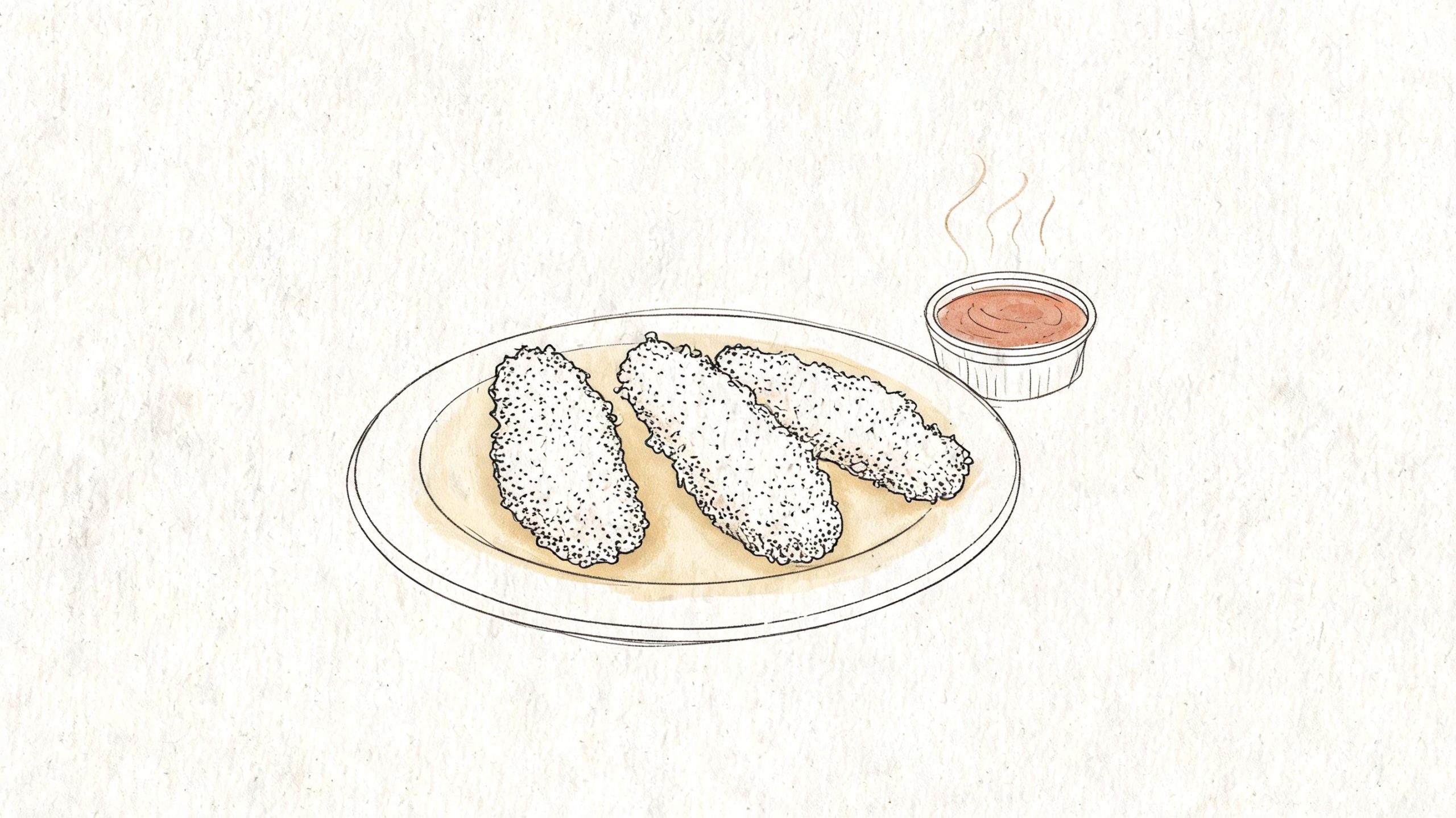
Chipotle ranch is the answer when plain ranch feels too safe and straight barbecue feels too sweet. The smoke from chipotle gives ranch more depth without making the sauce heavy. With crispy tenders, that matters because the breading already brings richness.
Use a restrained hand with smoky sauces. Too much chipotle turns the dip muddy and masks the dairy tang that makes ranch useful in the first place. Blend a small amount into ranch, taste with an actual tender, then decide whether the smoke supports the chicken or dominates it.
How to keep the sauce clean
Toast chipotle peppers or use a smoky barbecue sauce base if you want a deeper profile, but strain or blend fully. Gritty chipotle ranch feels homemade in the wrong way. Smooth texture is part of the value proposition.
A strong version for operators uses these moves:
- Season the tenders first: Mr. Wings Chili Pepper Hot Lemon seasoning under the breading gives the chicken flavor even if the guest skips the sauce.
- Hold the sauce at room temperature: Cold temperatures mute smoke and chile aroma.
- Test with your breading: Fine crumb, panko, and flour dredges all absorb sauce differently.
Chili’s, Wingstop-style tender programs, and regional barbecue joints all prove the same point. Tenders sell harder when the dip is distinct enough to remember.
Keep chipotle ranch on the side, not under the tenders. Crisp texture dies fast when sauce sits under fried food in a box.
If you’re building recipes with ranch dressing for delivery, this one travels better than a lot of fancier sauces because it clings well and doesn’t separate easily when mixed properly.
3. Loaded Ranch Nachos with Crispy Wings
Nachos earn their keep when they solve two problems at once. They give guests a high-perceived-value shareable, and they give the kitchen a controlled way to turn wing meat, sauce drizzles, and standard toppings into a plate that sells at a strong margin.
The mistake I see most often is treating ranch like blanket coverage. That ruins chip texture and makes the plate eat heavy. Ranch works better here as a finishing sauce, applied with intent, so each bite still has crunch and the wings stay the lead flavor.
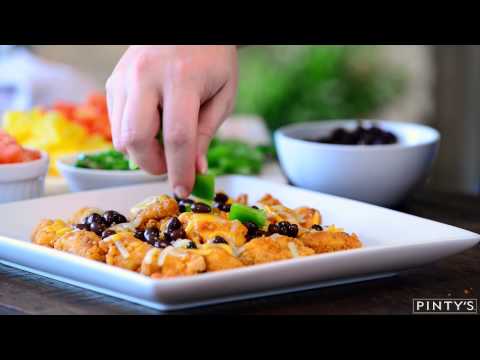
The build order decides whether this dish lands well in-house and survives the walk to the table. Start with a wide layer of sturdy chips. Add shredded cheese or queso, then chopped crispy wing meat, then a short melt. Finish with jalapeños, scallions, diced tomatoes, and ranch at pickup. If you want heat, use a second drizzle of Mr. Wings Buffalo Wing Sauce or a thinner line of sauce from their Best Wing Sauces range instead of overmixing everything into one orange coating.
Here’s a visual if you want the plating style in mind.
Build it so it holds
Use chopped flats and drum meat pulled from crispy wings. Whole wings on nachos look dramatic and eat badly. Boneless wing pieces also work if speed matters more than visual impact, but they usually give up some texture after the melt.
A kitchen-friendly version uses these steps:
- Choose thicker chips: Thin chips fracture under hot protein and queso.
- Keep the wing sauce separate from the ranch: A two-sauce finish gives cleaner color and better flavor contrast.
- Use restrained dairy: Cheese, queso, and ranch together can bury the wings if all three are heavy-handed.
- Sell add-ons that share ingredients: Pickled onions, extra jalapeños, bacon, and avocado raise the check without adding prep chaos.
This plate also gives operators room to segment the menu. Use classic Buffalo Wing Sauce for a familiar sports-bar version. Swap in a sweeter or fruit-forward Mr. Wings sauce for a limited-time build, then cool it with a tighter ranch drizzle. The guest gets a new nacho offering, and the kitchen keeps the same base setup.
Put ranch in a squeeze bottle and apply it in lines, not pools. Portion control gets easier, food cost stays predictable, and the chips last longer.
Loaded ranch nachos sell because they deliver contrast fast. Crisp chips, hot wing meat, cold toppings, and a sharp finish of ranch create a plate that feels indulgent without eating sloppy. For bars, ghost kitchens, and casual chains, that combination is easier to execute consistently than a lot of heavier appetizer builds.
4. Grilled Chicken Salad with Ranch Herb Dressing
A grilled chicken salad earns its place on the menu when it eats like a complete dish, not a concession item. The usual failure is simple. Operators use the same thick ranch they serve with wings, then wonder why the greens collapse and the plate feels heavy.
Build a salad-specific ranch instead. Loosen the base with buttermilk or lemon juice until it coats leaves lightly, then sharpen it with chopped dill, parsley, chives, or basil. Keep the flavor clean and fresh. If the dressing tastes like dip, it is too thick or too powder-driven for this job.
The chicken has to carry its share. Season it aggressively enough to stand up to cold vegetables, then grill for visible char and slice across the grain so it stays tender in service. Good salad builds here include cucumbers, tomatoes, red onion, avocado, and charred corn. Those ingredients hold texture, take seasoning well, and justify a higher price than a basic mixed-green bowl.
For prep, standardize the dressing the same way you would any house sauce. As noted earlier, a measured ranch formula matters because salad dressing has less room for error than dip. One prep cook making it too thick changes plate cost, hold time, and guest perception fast.
A salad ranch should pour. A wing ranch should cling. One batch rarely does both well.
This is also a smart spot to use Mr. Wings sauces without turning the salad into a wing special. A light drizzle of a Buffalo Wing Sauce can replace part of the acid in the vinaigrette zone and give grilled chicken a sharper finish. If you want a broader lunch crowd, use one of their sweeter Best Wing Sauces sparingly on the protein, then keep the ranch herb dressing cooler and thinner for balance. That gives you a signature salad with shared inventory and no extra station clutter.
Table-side dressing service helps on this item. Greens stay crisp longer, guests control richness, and the kitchen avoids sending out salads that are overdressed before they hit the dining room. For cafes, fast-casual shops, and delivery-focused lunch menus, that small adjustment improves consistency and protects margin at the same time.
5. BBQ Ranch Burgers
BBQ ranch belongs on burgers because it solves the same problem every overloaded burger has. Too many strong toppings fight each other. A blended sauce pulls bacon, cheddar, onions, and beef into one bite.
This isn’t the place for a thin dressing. Use a thicker ranch base, then blend in barbecue sauce until it turns savory, smoky, and just sweet enough. A bottom-bun swipe keeps the top of the burger cleaner and helps with first-bite structure.
The right stack
Crispy onion strings and bacon both bring crunch, but they don’t age the same way. Onion strings soften fast under steam. Bacon holds. Build accordingly and don’t bury the onions under hot cheese sauce or wet tomatoes.
A useful stack looks like this:
- Bottom bun sauce: Ranch and BBQ first, directly on toasted bread.
- Beef patty and cheese: Let the cheese act as a lid over the meat.
- Bacon next: It stays distinct and doesn’t steam out.
- Onion strings last: Add them as close to service as possible.
Smashburger-style specialty builds and regional burger chains have leaned on “house sauce” logic for years because one blended condiment can make a standard burger feel signature. That’s exactly what this does with Wing Sauces and barbecue flavors.
If you want a practical crossover item, this one also works as a chicken sandwich. Same sauce, different protein, less menu sprawl.
6. Baked Potato Bar with Ranch Toppings
A baked potato bar earns its spot on the menu because it solves two operator problems at once. It gives guests customization, and it gives the kitchen a low-skill, high-perceived-value format that holds up during busy service.
Potatoes are inexpensive, filling, and forgiving on the line. Ranch turns them from banquet food into something that feels built for a sports bar, brewery, cafeteria, or fast-casual counter. The smart move is to treat ranch as a topping system, not a single sauce cup.
Set up a few distinct ranch variations with clear jobs. A chive ranch fits steakhouse-style builds. Bacon-cheddar ranch works for heavier comfort-food orders. A spicier version made with a small amount of Mr. Wings Buffalo Wing Sauces or one of their Best Wing Sauces gives you a heat option without creating a whole new sauce station.
Why this works for operators
This item is easy to batch and easy to sell at different price points. One base potato can stay a side, become a lunch combo, or turn into a center-of-plate item with grilled chicken, pulled pork, brisket, chopped tenders, or even picked wing meat from a slower-moving flavor.
That flexibility matters.
A potato bar also helps control waste because the same proteins and garnishes already used elsewhere on the menu can do double duty here. Sour cream, shredded cheese, scallions, bacon, jalapenos, butter, and ranch all fit standard prep programs. No one needs a specialty mise en place just for this item.
Keep the build tight and train it the same way every time. Open the potato, fluff the interior, add butter or cheese if used, portion the protein, then finish with ranch and herbs. If every cook builds by feel, food cost drifts and ticket times slow down.
For catered service or buffet lines, this format is even stronger. Guests get choice without forcing the kitchen to cook to order, and the house can upsell premium proteins or spicy ranch upgrades with very little extra labor. That is the kind of item that pads margin while still feeling generous on the plate.
7. Crispy Fish Tacos with Cilantro Ranch
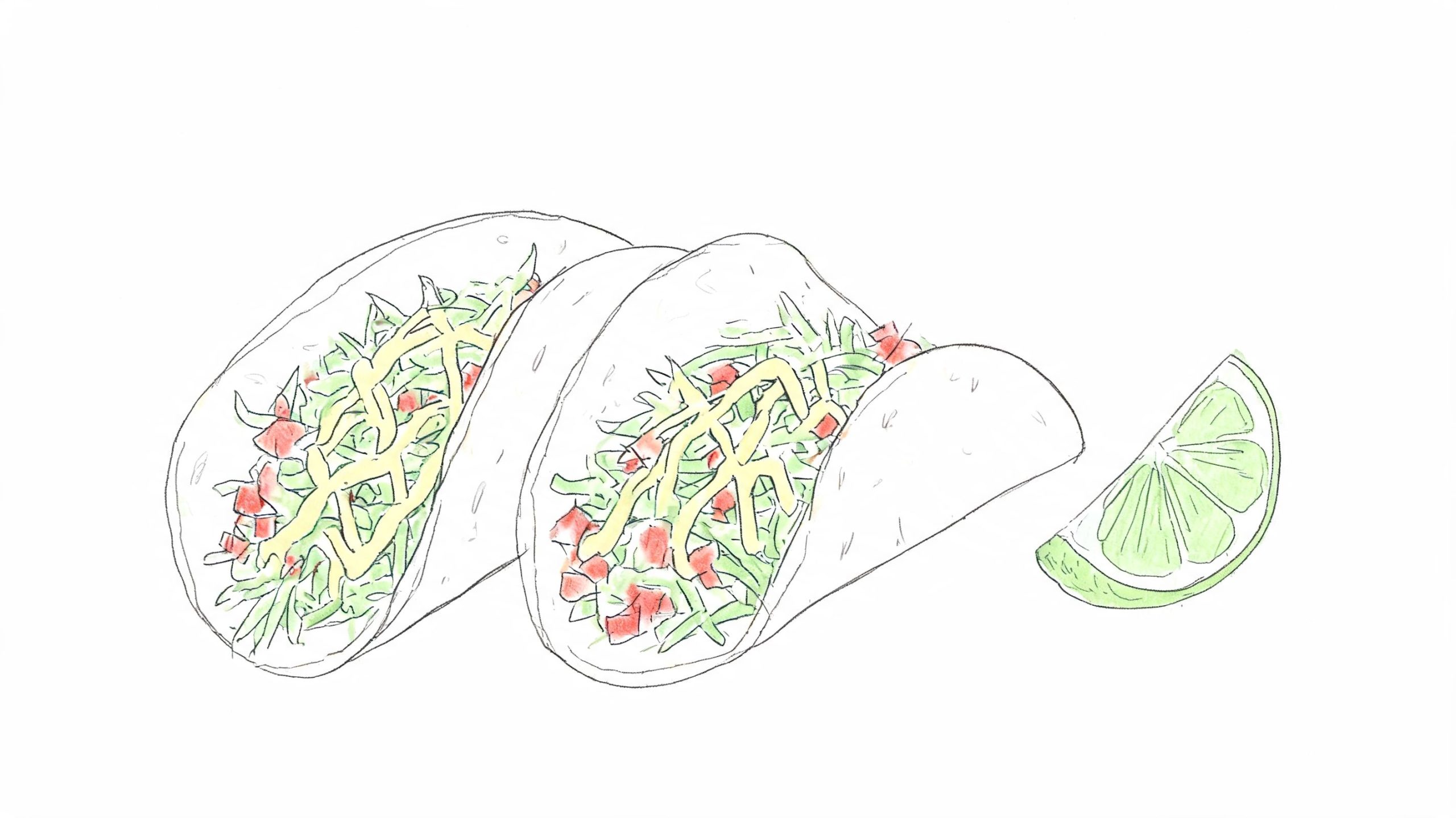
Fish tacos need a cooling sauce, but mayo-heavy sauces can flatten the fish. Cilantro ranch works when you keep it bright. Lime, cilantro, a little garlic, and a restrained ranch base give you creaminess without turning the taco into a sandwich.
This is especially useful in California and Arizona style menus where guests expect freshness with heat. Crispy white fish, cabbage, pico, and cilantro ranch hit that balance better than a heavier crema loaded with cumin or excess sour cream.
Keep the herbs under control
Too much cilantro turns the sauce bitter and grassy. Blend it in just enough to tint the dressing and give it aroma. Let it sit briefly before service so the flavors settle, but don’t hold it forever or the herb color dulls.
Baja-style taco stands and modern fish-and-chips shops understand this well. Their sauces support acid and crunch instead of competing with them.
Cilantro ranch should wake up fried fish. If it tastes like a blended salad, you’ve gone too far.
For menu planning, this is a smart non-chicken use of ranch. It tells guests your sauce program has range. That’s helpful if you’re also selling Buffalo Wing Sauces and best wings sauces on the same menu and want a fresh item that doesn’t feel repetitive.
8. Vegetable Crudités Platter with Herbed Ranch
Crudités with herbed ranch looks simple, but simple dishes expose every lazy habit in prep. If the vegetables are cut inconsistently, if the herbs are tired, or if the ranch is too thick to dip cleanly, the platter reads cheap instead of polished.
Done right, it’s one of the best catering and bar-menu utility items you can offer. It fills space on a menu, fits private events, and gives guests a cooling option next to stronger snacks and Wing Sauces.
Where most versions go wrong
The usual mistakes are obvious. Carrots are too thick, celery is stringy, bell peppers are cut unevenly, and the ranch is overloaded with dried herbs that sit on the palate like dust. Fresh herbs fix a lot of that, but only if they’re chopped fine and added close to service.
Use a center bowl and arrange vegetables outward with intention. Think color blocking, not random pile. Snap peas, carrots, celery, cucumbers, peppers, and tomatoes all work if they’re crisp and dry.
This kind of platter also suits dietary-conscious guests better than many operators realize. The market gap around allergen-friendly and sugar-free ranch options is real, and the source material notes rising demand for those options in menu planning, as outlined in this overview of underserved ranch use cases. For caterers and family restaurants, that’s a practical reason to keep at least one flexible ranch format in rotation.
Corporate caterers and clubs use these platters because they travel reasonably well and fit mixed groups without much explanation.
9. Mango Habanero Chicken Wraps with Cool Ranch
This is the wrap that sells to guests who want heat but still want lunch, not a dare. Mango habanero can run sweet, sticky, and aggressive if you don’t balance it. Cool ranch gives it structure and makes the wrap feel complete instead of sugary-hot.
Use grilled chicken, not fried, unless your concept leans fully indulgent. Black beans, corn, lettuce, and a little onion give the wrap body and keep it from eating like a sauce tube. Put the mango habanero on the chicken, then finish with a lighter ranch drizzle.
Good wrap math
Sauce placement matters more in wraps than on plates. If the wettest sauce goes near the outer edge, the tortilla softens and tears. Keep the hottest sauce in the center with the protein. Use ranch as the cooler finishing layer.
A practical build:
- Warm the tortilla: It rolls tighter and cracks less.
- Sauce the chicken, not the greens: Greens collapse under heat and moisture.
- Use ranch sparingly: Enough to cool, not enough to leak.
- Cut on a bias only if it holds: A messy cross-section hurts more than it helps.
Regional fusion spots and food trucks keep coming back to this flavor pattern because guests understand sweet heat, and ranch makes it more approachable. If you’re developing best wings sauces in California or trying to cross-sell bottled flavors into handhelds, this is one of the easiest bridges from wing sauce to full meal.
10. Buffalo Cauliflower with Creamy Ranch Dip
Buffalo cauliflower fails when kitchens treat it like fake wings. Guests don’t need it to imitate chicken perfectly. They need it to be crisp, spicy, and worth ordering on its own.
Roast or fry florets until the edges are browned, then sauce them while they’re still hot. If you toss them too early, steam kills the coating. If you hold them too long after saucing, they soften fast. Ranch belongs on the side so the guest controls the contrast.
Position it correctly
Call it a vegetarian or vegetable-forward appetizer, not a substitute prize. That framing matters. People order buffalo cauliflower for different reasons, and the dish lands better when it has its own identity.
Buffalo and ranch are still the obvious pair because ranch is widely used to cool bold flavors in casual dining. The source material notes projected global ranch consumption at 1.2 billion liters annually by 2025 and strong use in U.S. casual dining for this exact cooling role, according to the projection and market summary cited in this buttermilk ranch recipe background. Even without leaning on the projection, the practical takeaway holds. Heat sells better when guests have a cooling counterpoint.
Applebee’s-style vegetable apps and wing restaurants with meatless options have shown the path. Keep the florets crisp, use a real buffalo profile, and serve a clean Creamy Ranch Dressing. That’s enough.
Top 10 Ranch Recipes Comparison
| Item | Implementation Complexity 🔄 | Resource Requirements ⚡ | Expected Outcomes 📊 | Ideal Use Cases 💡 | Key Advantages ⭐ |
|---|---|---|---|---|---|
| Buffalo Ranch Dip | Low, ready-to-serve, minimal prep | Low, fridge, warmer/steam table | Broad appeal, higher wings margins 📊 | Food trucks, casual dining, wing menus | Easy batching; versatile dip/sauce ⭐ |
| Crispy Chicken Tenders with Chipotle Ranch Sauce | Medium, frying and breading station | Medium, fryer, breading line, chipotle sauce | Premium price point, menu differentiation 📊 | Restaurants with fried chicken programs | Bold flavor profile; strong margin potential ⭐ |
| Loaded Ranch Nachos with Crispy Wings | Medium–High, multi-component assembly, timing sensitive | Medium, toppings inventory, melt/heat equipment | Increased check averages; shareable item 📊 | Sports bars, casual dining, social occasions | High visual appeal; ingredient leverage for cost efficiency ⭐ |
| Grilled Chicken Salad with Ranch-Herb Dressing | Medium, fresh prep, dressing emulsification | Medium, walk-in cooler, grill, produce station | Attracts lunch/health segment; premium pricing 📊 | Lunch-focused ops, health-conscious diners | Elevates ranch as sophisticated dressing; daypart expansion ⭐ |
| BBQ Ranch Burgers | Low–Medium, standard burger prep with added topping control | Low, grill, bun toaster, condiment prep | Strong impulse sales; lunchtime traffic boost 📊 | Burger restaurants, food trucks, quick-casual | Familiar format with distinctive sauce pairing; scalable ⭐ |
| Baked Potato Bar with Ranch Toppings | Medium–High, station setup and portion control | High, warmers, prep area, diverse toppings | Upsell opportunities; interactive dining 📊 | Sit-down restaurants, sports bars, buffets | Customizable experience; high perceived value ⭐ |
| Crispy Fish Tacos with Cilantro Ranch | Medium, fresh seafood handling and timely frying | Medium, quality fish sourcing, fryer/grill | Strong lunch appeal; premium margins 📊 | Coastal markets, casual seafood concepts | Lighter protein option; differentiates menu ⭐ |
| Vegetable Crudités Platter with Herbed Ranch | Low, simple assembly, focus on presentation | Low, consistent fresh produce sourcing, chilled display | Catering/event revenue; health positioning 📊 | Corporate events, catering, country clubs | Low cost to produce; scalable for events ⭐ |
| Mango Habanero Chicken Wraps with Cool Ranch | Low–Medium, marination and tight assembly | Low, grill, tortillas, specialty sauce | Portable sales; strong QSR/food truck performance 📊 | Quick-service, food trucks, grab-and-go menus | Portable, showcases specialty sauce; quick prep ⭐ |
| Buffalo Cauliflower with Creamy Ranch Dip | Low–Medium, roasting/frying and timely service | Low, oven/air-fryer, cauliflower supply, sauce | Vegetarian appeal; social-media traction 📊 | Modern casual dining, vegetarian-friendly venues | Plant-forward alternative; high margin and novelty ⭐ |
Turn Your Menu Into a Flavor Destination
Ranch earns its place on a menu when you stop treating it like filler. It can cool heat, carry herbs, soften smoke, tie together texture, and make spicy food more accessible to a wider range of guests. That’s why it works across dips, salads, burgers, wraps, tacos, crudités, potatoes, and vegetable appetizers without feeling repetitive.
For operators, the bigger lesson is operational. A strong ranch program helps you connect categories that usually live apart. The same core dressing can become a buffalo dip, a burger sauce, a wrap finish, a salad dressing, or a catering platter centerpiece with controlled changes in thickness, acidity, herbs, and heat. That kind of flexibility is valuable when you’re trying to keep prep efficient and still build a menu people remember.
It also fits how people order. Guests know ranch. They’re comfortable with it. That familiarity lowers the risk when you introduce stronger flavors through Buffalo Wing Sauces, smoky barbecue blends, mango habanero glazes, or a sharper hot sauce recipe. In practice, ranch often acts as the bridge that gets a guest from “safe” to “I’ll order that again.”
That matters even more in competitive markets. If you’re trying to stand out with the best wings sauces in California, Arizona, or Texas, you can’t rely on heat alone. You need contrast, texture, and menu items that feel connected to your sauce lineup. A good ranch strategy gives you that. It helps turn a one-note wing menu into a broader flavor system that can support tenders, bowls, wraps, burgers, snacks, and catering trays.
The smart move is to build a few house standards and use them relentlessly. One clingy ranch for wings and tenders. One lighter herb ranch for salads and tacos. One blended ranch for burger and wrap applications. Keep those dialed in, then layer in your Wing Sauces where they create a clear payoff for the guest.
If you want more menu thinking in that direction, this collection of culinary insights for discerning chefs is a useful read. And if you’re building around ready-to-use flavor systems, Mr. Wings is one relevant option for Buffalo Wing Sauces, barbecue sauces, seasonings, and Creamy Ranch Dressing that can support both restaurant execution and home cooking. That combination makes it easier to turn a simple sauce hot wings concept into a full menu with repeat business potential.
If you’re building recipes with ranch dressing that need to work in real kitchens, not just on paper, explore Mr. Wings for Wing Sauces, Buffalo Wing Sauces, Creamy Ranch Dressing, and seasonings that can move from wings and tenders to wraps, burgers, bowls, and catering menus with less guesswork.