
The initial investment required for your restaurant can vary depending on its concept. To calculate this amount, you should ask yourself: Where do I want to go? What resources do I have? (whether human, financial, or technological) to make the best decisions. Planning is essential when opening a restaurant, as it sets goals and guides the steps to follow. In this blog, we will help you calculate the budget for your kitchen equipment and restaurant furniture. Additionally, we will provide tips for choosing kitchen equipment suppliers, a proposal for a wing bar, and more!
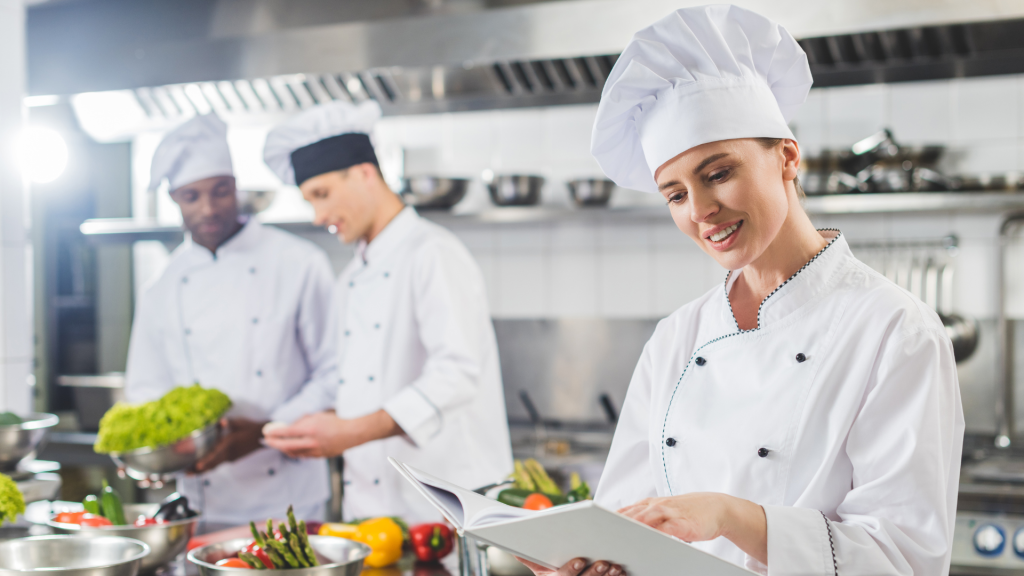
Purchasing Major and Minor Equipment
Tips / Advice
Consider the following tips before making your investment:
- The selection of all the dishes that will be offered on the menu should be decided beforehand.
- Work with your chef to review each dish and determine what is needed for its preparation.
- Visit suppliers and stores, compare prices, quality, materials, and availability.
- Research the capacity and usage of each machine.
- Choose a supplier who offers spare parts and technicians capable of solving problems or malfunctions immediately.
- Never buy furniture or major equipment without first visualizing its dimensions in your space and ensuring it does not interfere with restaurant operations.
- Maximize the available space in your restaurant.
- Follow all accident prevention guidelines to avoid obstructing emergency exits with large equipment, and ensure the comfortable movement of customers and employees.
- Consider the lifespan of each piece of equipment so you can account for depreciation costs.
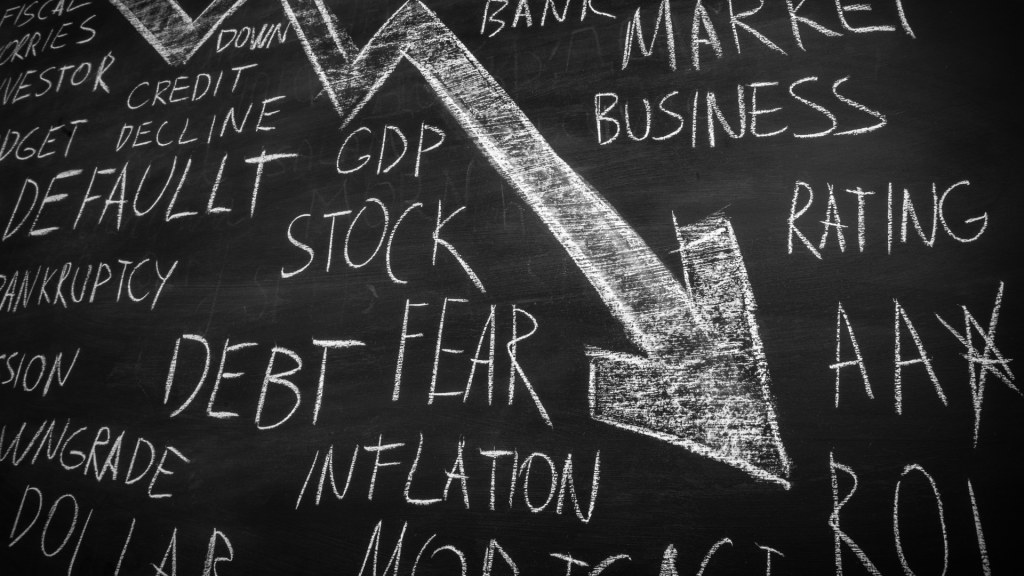
Depreciation
The depreciation of kitchen equipment and furniture refers to the reduction in their value until they reach a point where they must be discarded or replaced. This should be taken into account in your financial statements. Some businesses include this depreciation cost within the price of each dish, while others classify it as a fixed expense. The key takeaway is that nothing lasts forever, and it is essential to allocate a mandatory reinvestment percentage for equipment and furniture. This planning is crucial for ensuring your business remains operational over the years, preventing unexpected urgent investments when equipment fails or when spare parts become too expensive.
Here is a proposal for the minimum kitchen equipment and furniture you may need to operate within the business concept we have been discussing: a wing bar.

Major and minor kitchen equipment
Create a list of all the equipment and furniture you will need.
We will classify them as follows:
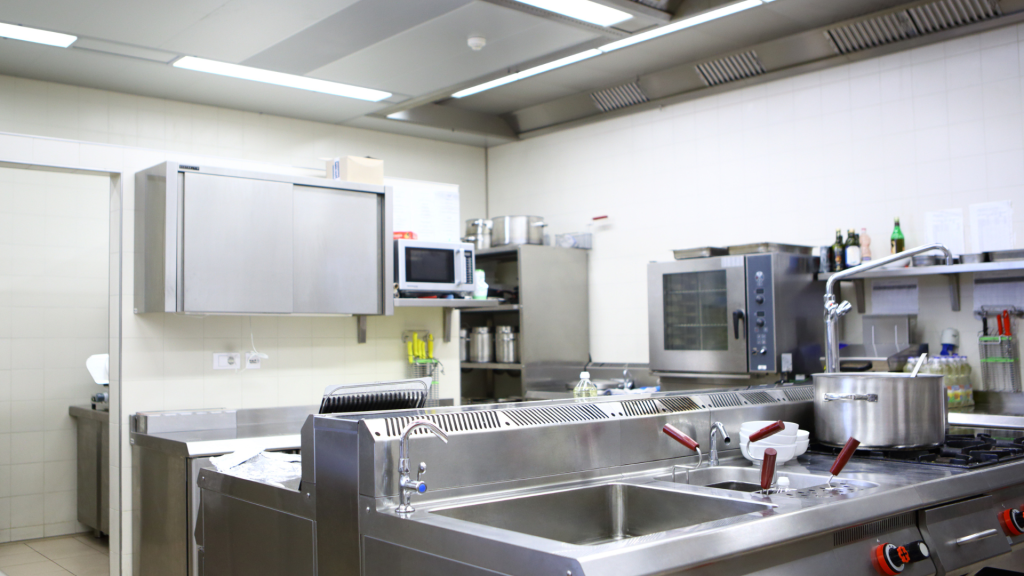
- Major Equipment: This includes all equipment that requires installation to function. It can be fixed or semi-fixed in a specific location, supporting food preparation, cooking, and preservation. Examples include ovens, grills, stoves, prep tables, shelving units, refrigerators, freezers, exhaust hoods, dishwashing sinks, and dishwashers.
- Minor Equipment: These are all the utensils needed for food preparation. They are smaller in size and do not require special installations, such as knives, cutting boards, blenders, frying pans, food inserts, pots, spatulas, strainers, whisks, etc.
- Service Equipment: Refers to all utensils needed for serving customers, such as cutlery, glasses, glassware, tableware, salt shakers, condiment dispensers, tablecloths, and napkins.
- Dining Furniture: The necessary furniture for customer service, including bars, tables, chairs, and decorative elements such as lamps, paintings, mirrors, etc.
Proposed major kitchen equipment for
a Wing Bar
| Qty | Major Equipment | Description | Unit Price (USD) |
|---|---|---|---|
| 1 | Refrigerated Table | 1.22m, 2 doors, with display and prep board | $1,475.85 |
| 1 | Deep Fryer | 20L capacity, two baskets, with thermostat | $681.75 |
| 1 | Grill with Base | 61 x 69 cm, with 4 burners | $413.50 |
| 1 | Griddle with Base | 59 x 81 cm | $403.84 |
| 1 | Freezer | Horizontal (105 x 54 x 85 cm) | $554.85 |
| 1 | Refrigerator | Vertical, 2 doors, 26 inches | $1,265.35 |
| 1 | Refrigerator | Vertical, 1 door, 19 inches | $875.91 |
| 1 | Sink | Double basin, 130 x 70 x 90 cm | $535.32 |
| 1 | High-Pressure Faucet | – | $291.95 |
| 1 | Exhaust Hood | 3 x 1 x 0.46 m | $608.03 |
| Total Investment | $7,106.35 |
Proposed minor kitchen equipment for a wing bar
| Qty | Minor Equipment | Description | Unit Price (USD) |
|---|---|---|---|
| 3 | Frying Pan 16 | Stainless steel, 16 cm | $40.94 |
| 3 | Frying Pan 20 | Stainless steel, 20 cm | $43.86 |
| 2 | Spatula | Square grill spatula, 19 x 8 cm | $19.49 |
| 2 | Tongs | Stainless steel, 40 cm | $2.92 |
| 2 | Chef’s Knife | 8 inches | $43.86 |
| 1 | Yellow Cutting Board | 38 x 51 cm | $41.36 |
| 2 | Cutting Board | 38 x 51 cm | $68.12 |
| 4 | Mixing Bowls | Stainless steel, 27 cm (3.8 L) | $23.40 |
| 1 | Perforated Insert | Stainless steel, 10 cm | $29.19 |
| 3 | Full Insert | Stainless steel, 10 cm | $58.38 |
| 4 | Insert with Lid | One-third size, 10 cm, lid with notch | $116.75 |
| 1 | Blender | 1-speed, 400W (suggested brand: Oster) | $48.65 |
| 1 | Tall Pot | Aluminum, 28 cm (18 L) | $24.32 |
| Total Investment | $561.09 |
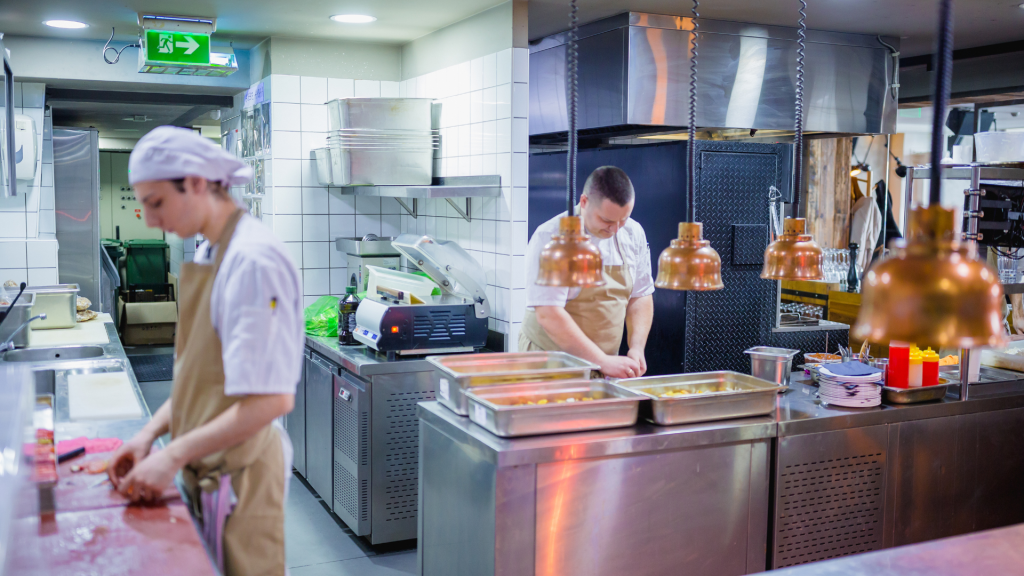
Proposal for minor floor equipment for Wing Bar
| Qty | Minor Floor Equipment | Description | Unit Price (USD) |
|---|---|---|---|
| 24 | Baskets | Oval plastic, 26 cm | $19.48 |
| 24 | Ramekin | 2 oz, smooth melamine | $6.82 |
| 20 | Small Beer Mug | 360 ml | $19.48 |
| 20 | Large Beer Mug | 1000 ml | $63.31 |
| 20 | Oval Plate | Melamine, 30 cm | $29.22 |
| 12 | Squeeze Bottle | 250 ml, plastic | $14.61 |
| 40 | Highball Glass | 12 oz | $21.92 |
| Others | – | – | $67.27 |
| Total Investment | $242.11 |
Budget for floor furniture for Wing Bar
| Qty | Floor Furniture | Description | Unit Price (USD) |
|---|---|---|---|
| 6 | Square Table | 75×75 cm, tubular pedestal, Formica top | $81.94 |
| 25 | Round Chair | Iron tube, cushioned seat with synthetic leather | $462.65 |
| Decorations | – | – | $102.37 |
| Others | – | – | $83.66 |
| Total Investment | $730.62 |
Note: Prices in USD are approximate and may vary depending on the current exchange rate.
KITCHEN EQUIPMENT FOR RESTAURANTS
The tables and chairs you choose should match your restaurant concept, but make sure they are durable, high-quality, easy to clean, odor-resistant, lightweight, and adaptable for large customer groups.
This is just an example of the materials and prices you might need, but there are cheaper options available, such as second-hand equipment, restaurant closeout sales, manufacturer discounts, wholesale pricing, etc.
Here are some links to specialized kitchen equipment and furniture suppliers:
- Specialized Store in Querétaro → Todo para su cocina
- Major and Minor Kitchen Equipment Store → Torrey Product Catalog
- Kitchen and Industrial Restaurant Equipment → Servinox
- Stainless Steel Furniture and Equipment Design in Querétaro → Querinox
The more information you gather, the more accurate your budget will be. Keep a detailed record of all the equipment and furniture you quote, and stay tuned because in future blogs, I will guide you through the next steps!
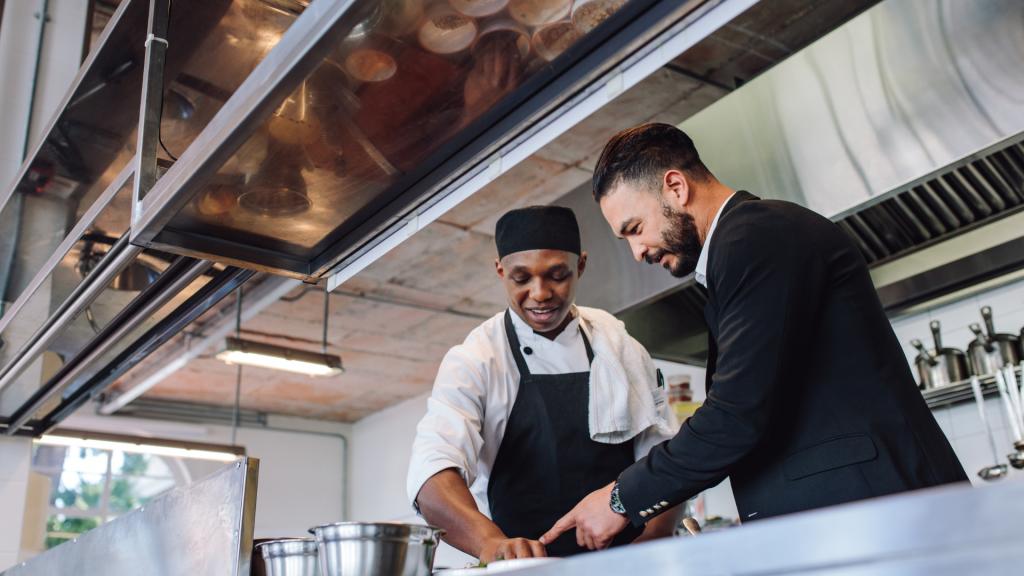
Estimate costs and set priorities
Once you have a clear idea of the equipment and furniture you need, the next step is to estimate the costs of each item and prioritize purchases based on their importance to your operations. This phase is crucial for adjusting your budget efficiently and avoiding unnecessary expenses.
Here is a more detailed breakdown of how to do it:
Classify Items as “Essential” and “Secondary”
Not everything needs to be purchased at once when opening your restaurant. It’s important to identify which elements are absolutely necessary for opening and which can be added later as your business grows.
Essentials
These are the items you need from day one to operate properly:
- Kitchen: Refrigerators, ovens, grills, griddles, and exhaust hoods. Without these, you won’t be able to prepare food.
- Basic furniture: Tables, chairs, service stations, and a counter/bar (if applicable).
- Kitchen utensils: Knives, pots, pans, cutting boards, and other essential tools.
Secondary Items
These are items that can be purchased later, depending on your initial budget:
- Additional decor: Paintings, plants, decorative lights, etc.
- Specialized equipment: For example, a bakery oven if you plan to add baked goods to your menu in the future.
- Luxury accessories: Water fountains, designer lamps, or extra furniture for special events.
Practical Example:
If you’re opening a small fast-food restaurant, a deep fryer will be essential from the start. However, a high-tech combi oven could be a long-term investment.
Compare Different Buying Options
To save money and ensure quality, it’s essential to compare suppliers, brands, and purchase terms. Here are some tips for finding the best deals:
New vs. Used Equipment
New Equipment:
✅Advantages: Warranty, longer lifespan, and technical support.
✅ Ideal for critical equipment such as refrigerators, ovens, and exhaust hoods.
Used Equipment:
✅ Advantages: Lower cost.
✅Perfect for furniture or secondary equipment that is not used constantly.
⚠️Warning: Always check that used equipment is in good condition before purchasing. If possible, request a demonstration of its functionality.
Get Quotes from Multiple Suppliers
Never settle for the first option! Request quotes from several kitchen equipment and furniture distributors, both local and online. Key strategies include:
- Wholesale suppliers: They often offer better prices for bulk orders.
- Recognized brands: Choose brands with a good industry reputation for durability and after-sales support.
- Sales & clearance deals: Some suppliers discount end-of-season equipment or showroom models.
- Consider Leasing Options
If you have a tight budget, some suppliers offer rental options for ovens, refrigerators, and dishwashers. Although leasing is more expensive in the long run than buying, it allows you to start operations without a large upfront investment.
Think About Long-Term Costs
Some equipment and furniture may seem cheap initially, but if their maintenance costs are high, they could hurt your finances in the long run. Consider the following:
Energy Efficiency
Look for energy-efficient equipment, even if the initial price is slightly higher.
Example: A certified energy-efficient refrigerator can save you hundreds of dollars per year on electricity.
Maintenance & Spare Parts
Ensure that spare parts and maintenance services are available locally and at reasonable prices.
Don’t Forget a Contingency Fund!
It’s always wise to allocate 5-10% of your total budget as an emergency fund for unexpected expenses. This can cover repairs, replacements, or additional purchases once the restaurant is operational.